Channeling Big Tuna Energy
A Case Study in Converting Fandom Into Revenue Streams
By Liz Sánchez Rasking
"Yea, though I walk through the valley of the shadow of mediocre content, I shall fear no algorithm."
— FEEDS 23:1
Dear Reader,
A few months ago, some videos started showing up in my Facebook feed. They were AI animated alley cats and the first few episodes were a little rough around the edges. I scrolled past them at first. After all, at the time, they looked like more generic AI video slop to me. Nothing worth stopping for or writing home about.
After a few months, I started noticing something.
I started seeing the same cats, the same outfits, each one had a distinct accent and backstory. There were recurring beefs and cross-species intrigue. A feral raccoon in a bandana gave interviews to a reporter next to a dumpster full of cat nip. He was talking about his business model.
(I recognized something in that raccoon. Professional solidarity, maybe.)
That’s when I stopped scrolling and I genuinely started paying attention.
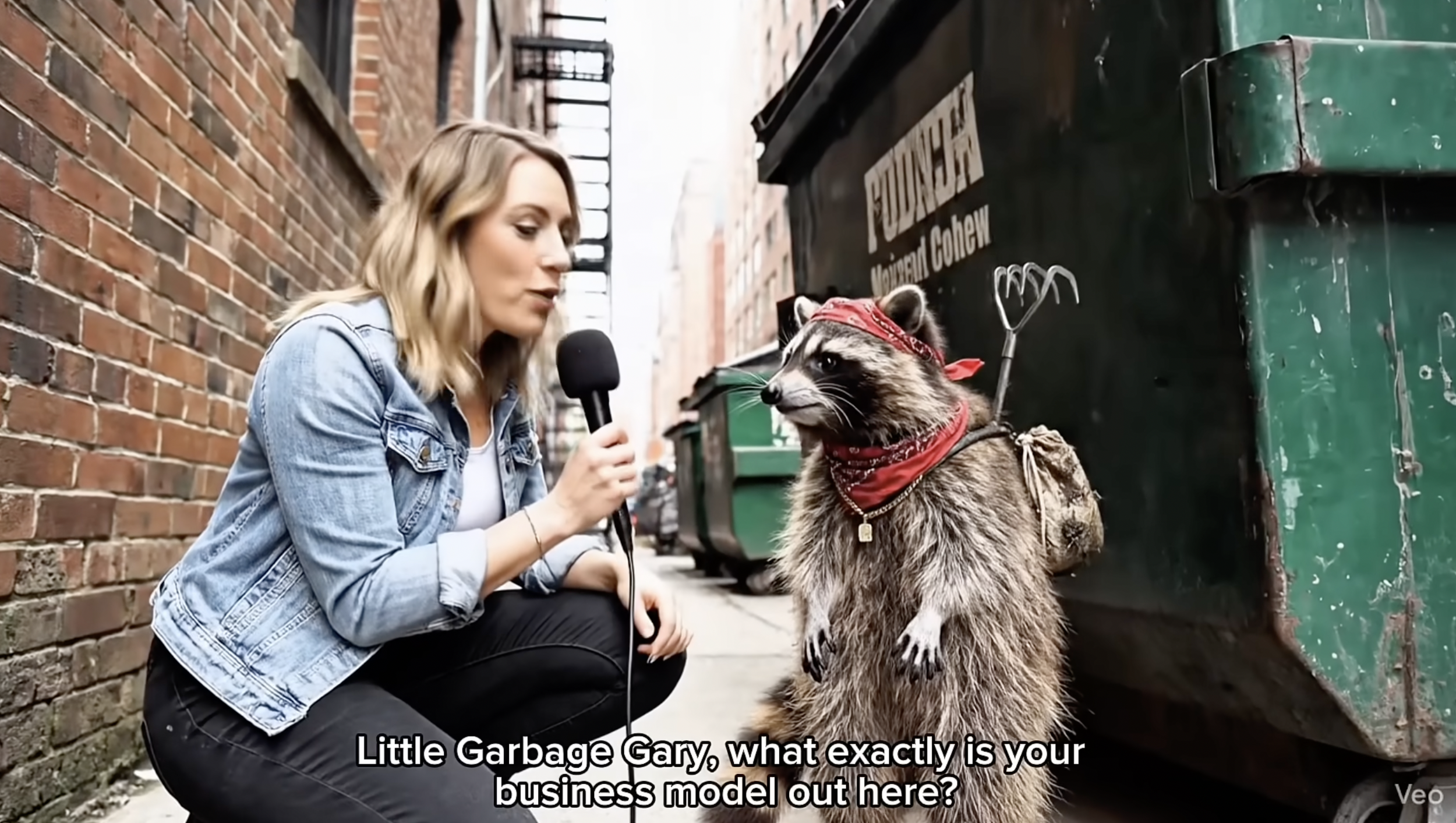
Let me introduce you to LexingtonScoopCo’s NYC Alleycats.
First, there's Big Tuna. He's an orange cat and the (frequent) Boss of the Alley. He wears a Hawaiian aloha shirt, aviator sunglasses, and gives off Tom Selleck vibes without the ick. Then there's Ronnie, he’s the “local problem”, known for measuring time in trash bags, starting turf wars with birds and dogs, and mounting daring prison escapes involving magnets and Mountain Dew. To date, Bella Biscuit Bottom remains the only creature I have ever encountered who is simultaneously both trashy and classy, and she pulls off both without apology. Special guest, Stank Sinatra presides over covert operations in a fedora with the energy of someone who has seen things and chosen not to elaborate. And let's not forget El Nippo, the Colombian cat who runs a nip operation out of a bodega and wants to woo Miss Sophia by proving his ambition.
But wait! There’s more!!!
There's also: Mittens Malone. Donnie Meatball. Crash. Carmine Whiskeretti. Tony. Vinnie. Thunderpaw. Nicky Nine Lives. Tommy Tightpaws. Joey Two-Times, Rasta. Lady Tuna (Big Tuna’s wife). Slick Sal. A catnapping granny named Linda. And Garbage Gary, the raccoon, who remains ungovernable.
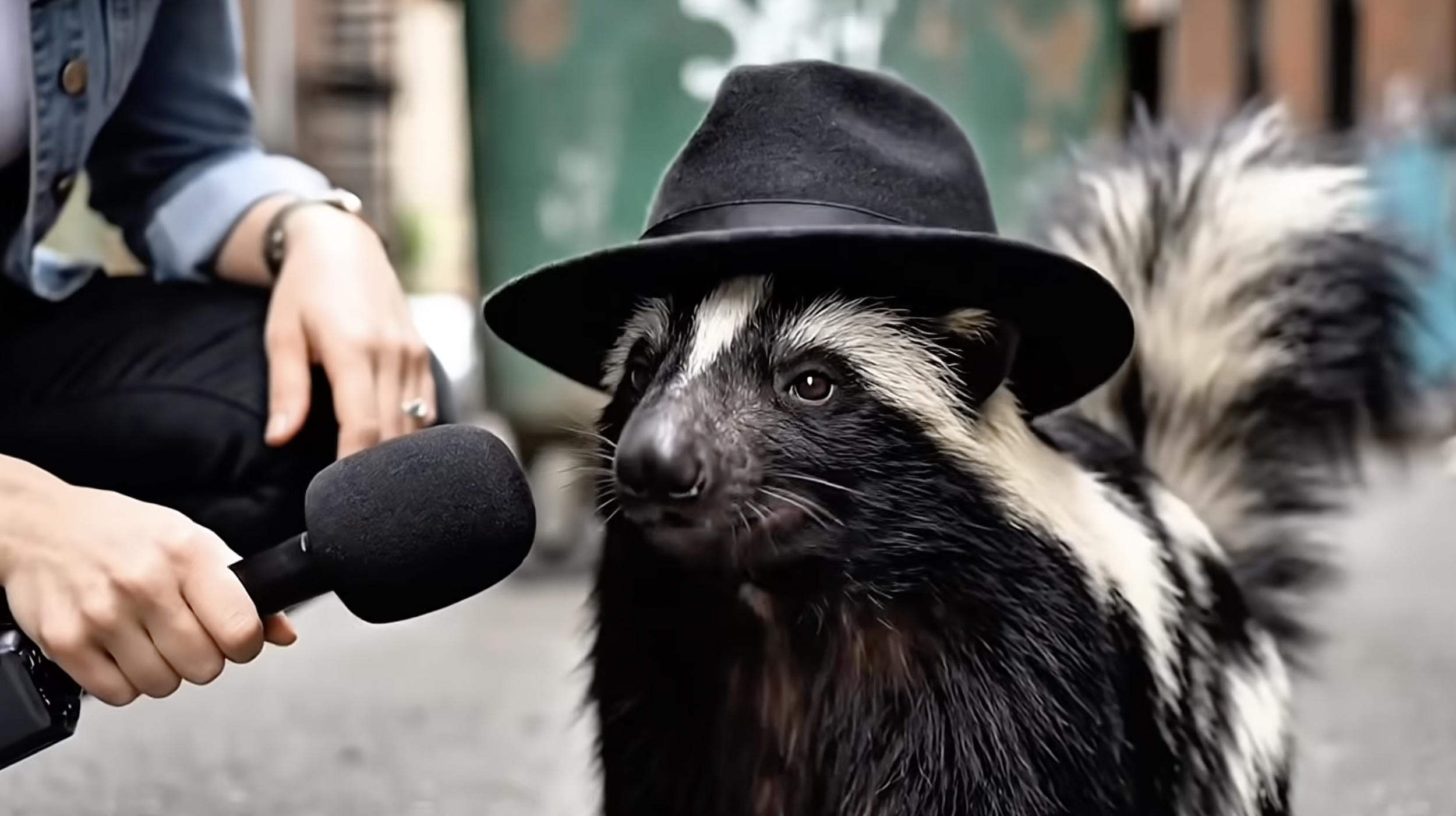
I swear, Hollywood spent $95 million dollars making CATS the movie. These people created a much more cogent and compelling feline cinematic universe (and Stank Sinatra) for the price of a Starbucks Venti anything. I'm just saying.
What started as an experiment became a full fledged feline soap opera. That soap opera became a universe. That universe became a fandom. And somewhere in the middle of all of that, I became a fervent fan. For the record, I can pinpoint exactly when it happened. It was when I noticed the continuity. The same characters, week after week, with evolving story arcs that carried stakes across episodes. I loved and cackled at the callbacks, the inside jokes that only make sense if you've been watching from the beginning. Their world has rules. It has history and receipts.
That's the moment my strategist brain went full tilt and refused to turn back off.
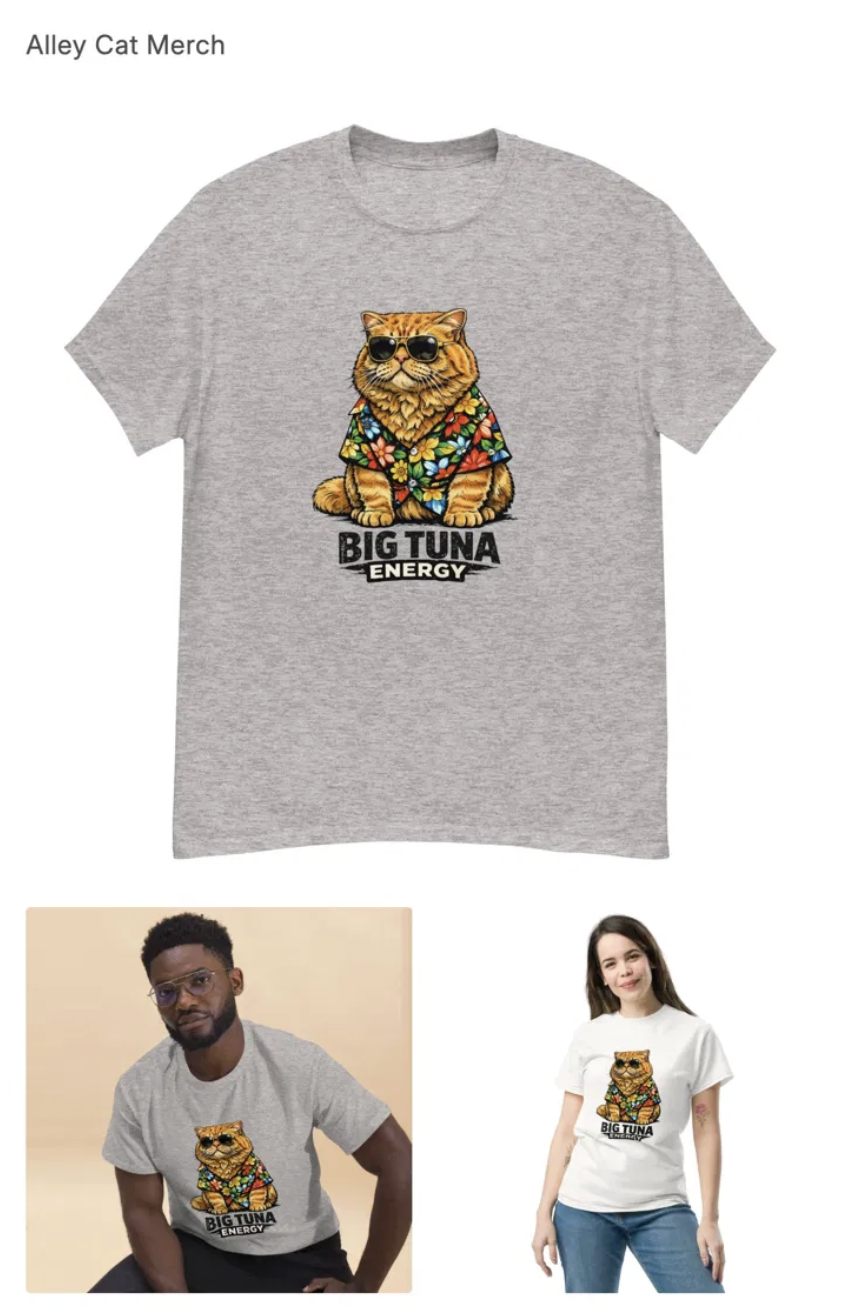
I noticed something else too. Every time a new character is introduced, a new t-shirt or sticker drops in the shop. My feed gets flooded with “Available now!” notifications.
(Cue the record screech.)
That's not content. That's a product launch strategy with a built-in audience that already has an emotional relationship with the universe. The creators aren't selling merchandise, they're selling belonging to the world they created and I am here for it!
That said, it didn’t take very long before the YouTube paywall reared its ugly head. New episodes drop there first. And for the low, low price of a dollar a month, I could be first in line to see them. One dollar! I've had to actively talk myself out of hitting the subscribe button more than I'd like to admit. Not because of the dollar, but because of what it means. Am I in the inner circle or aren't I? Does that even matter? If so, why?
The fact that I still have to fight the urge to buy their stuff or subscribe is proof of concept, people.
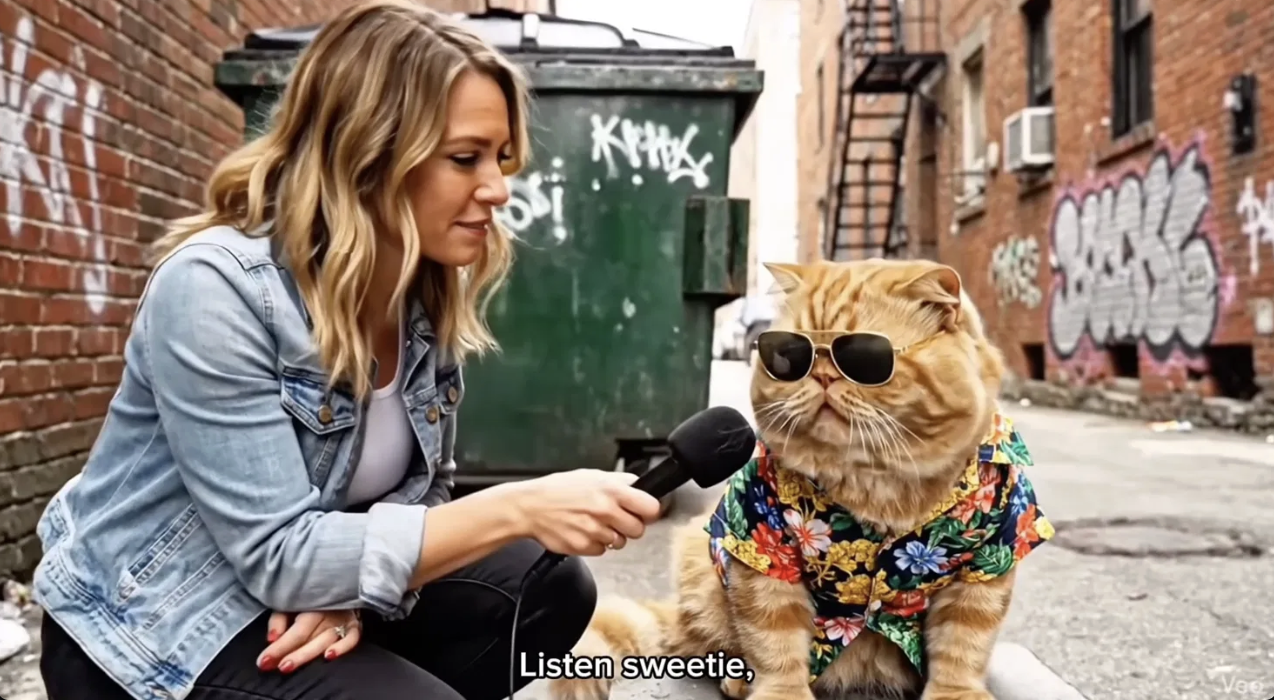
By the time the merch appeared, I didn't need to be convinced. The conversion had already happened. I was just waiting for them to catch up. Somewhere between learning that Ronnie has a complicated relationship with seagulls and watching Big Tuna say "Listen sweetie" to a reporter like he's about to explain something that would technically hold up in court. I realized I wasn't being sold a t-shirt. I was being offered proof of membership to a world I'd already moved into.
What most brands get backwards is that they spend all their energy sharpening the hook. They bank on the clever tagline, the scroll-stopping visual, the pattern disruptor, and the perfectly optimized headline. Sure, those things matter, but they're not the point.
The hook is not the story. The story is the hook.
Hooks and content ask for your attention, but a world built on good story earns your loyalty and suspension of disbelief. Attention is rented and fleeting. Loyalty compounds over time.
It's clear to me the creators behind the NYC Alleycats didn't start with a strategy deck. They started with experimentation. Some things fell flat. (Hence why I initially thought it was AI slop.) But they kept going anyway, adjusting, listening to what the audience was actually responding to and their direct suggestions. They built towards something they couldn't fully see yet. And then one day the formula clicked. All of a sudden, there were consistent characters, a familiar environment, story arcs with real stakes, a language only insiders know... and the fandom followed.
That's the same kind of narrative architecture that makes a destination feel like more than a location, that makes a cruise line feel like a culture, and that makes someone forward your newsletter to three people and say "you need to read this, this has you written all over it."
Most organizations and brands treat narrative like decoration. They treat it like it's a tagline, pithy marketing copy void of real substance, or a tone of voice guide that lives in a folder nobody opens.
What the creators of NYC Alleycats figured out — and what the best themed experiences, destinations, and brand storytellers do on purpose — is that narrative isn't decoration.
It's the whole infrastructure.
Build the world first. The merch sells itself.
On June 16th, I'm spending a full day exploring this.
Speakeasy Storytelling is a workshop designed to hone brand story architecture and build the kind of narrative that doesn't just describe what you do, but creates a world people want to live in. We're doing it in an actual speakeasy.(Because of course we are.) There are still limited seats available.
The passphrase to get in is CLASSIFIED.
You gotta pony up to get it.
(I'm not budging on that.)
That's all I've got for June. Head down. Doing the work. Occasionally talking to Gizmo about it.
❤️ Your pal, Liz
P.S. I did not buy the Big Tuna shirt. The struggle is real. Big Tuna would respect that, I think. He seems like someone who appreciates a person who knows their limits.